
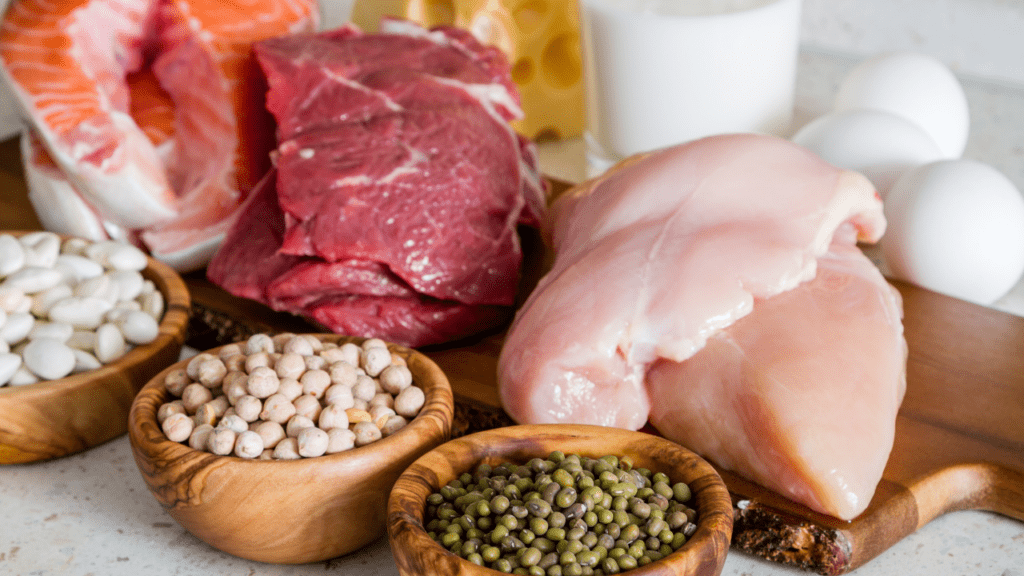
Your body’s ability to digest and absorb proteins depends on three key factors: food structure and preparation methods used, your own digestive capacity and digestive enzyme production capacity.
Food Structure
The chemical and physical structures of various foods can impact how well they are digested, with animal proteins such as dairy and meat tending to have higher rates of absorption than plant proteins which contain micronutrients but lacked essential amino acids as well as antinutritional elements like tannins, phytics and saponins that decrease digestion rates.
The biological value (BV) of proteins is used to assess their quality. This measurement illustrates how effectively the body utilizes them; an egg was initially given an approximate score of 100; however, with modern products like whey proteins surpassing this number due to their greater efficiency of absorption.
Whey isolate has the highest biological value (BV), followed by whey concentrate with 104. Beef and tuna each have an average BV value of 92 while whole eggs score 100; pork, chicken and turkey meat proteins range between 85-79 in terms of animal proteins while plant-based proteins such as soy protein powder has lower values – its BV ranking stands at 74 while legumes such as beans have 34 BV ratings.
Food Prep Techniques and Strategies
Food preparation methods have an immense effect on protein digestion and absorption. Some popular methods include:
Heat treatment: Cooking at lower temperatures and for shorter durations helps denature proteins, deactivate antinutritional components and enhance protein absorption. Heating egg whites for example increases digestibility from 51.3% up to 90.9% by short-term heating. However, prolonged high heat may result in Maillard reactions as well as protein aggregation and crosslink formation, potentially creating severe health risks.
Pressure Cooking: Pressure cooking can either assist or hinder protein digestion depending on its temperature and duration, breaking down insoluble fiber and predigesting proteins while simultaneously preventing protein aggregate formation through prolonged cooking times.
Fermentation: By using bacteria and fungi to partially digest proteins, fermentation increases their bioavailability – Yogurt, kefir and miso are examples of fermented products that increase bioavailability.
Hydrolysis: By adding enzyme-based compounds that are either alkaline or acidic to food products, hydrolysis can increase digestion and protein availability – something commonly seen in baby formula and protein powder products.
Alkaline Treatment: Alkaline treatments improve bioavailability and solubility of proteins, such as lime treatments for corn in tortillas. Baking soda can be used to tenderize tough cuts while increasing protein absorption rates.
Soaking & Germination Soaking: reduces antinutritional factors while germination enhances protein digestibility further by breaking down tannins, phytic acids and saponins into digestible forms.
Meat Processing: Salting, mincing and aging techniques can have an impactful impact on protein digestion; temperature and duration being two key considerations in their success.
Individual Digestive Capacity
Your body’s ability to process proteins depends on who you are, which can impact how quickly and efficiently amino acids are broken down to be used as fuel for energy production, muscle development and other processes.
Supplements that Improve Digestion
Digestive enzymes: digestive enzymes help break down food into absorbable molecules for improved protein digestion.
Probiotics: Promote intestinal health and digestion by increasing digestive enzyme production.
Leucine: Stimulates muscle protein synthesis and enhance endurance performance.
Tips to Optimize Protein Digestion.
1. Foods that offer high biological value should be chosen.
2. To maintain the quality of proteins, cook at lower temperatures.
3. Add fermented, soaked and dehulled foods to your diet.
4. To improve digestion, utilize digestive enzymes, leucine, and probiotics.
By optimizing these factors, you can maximize both performance and gains.